
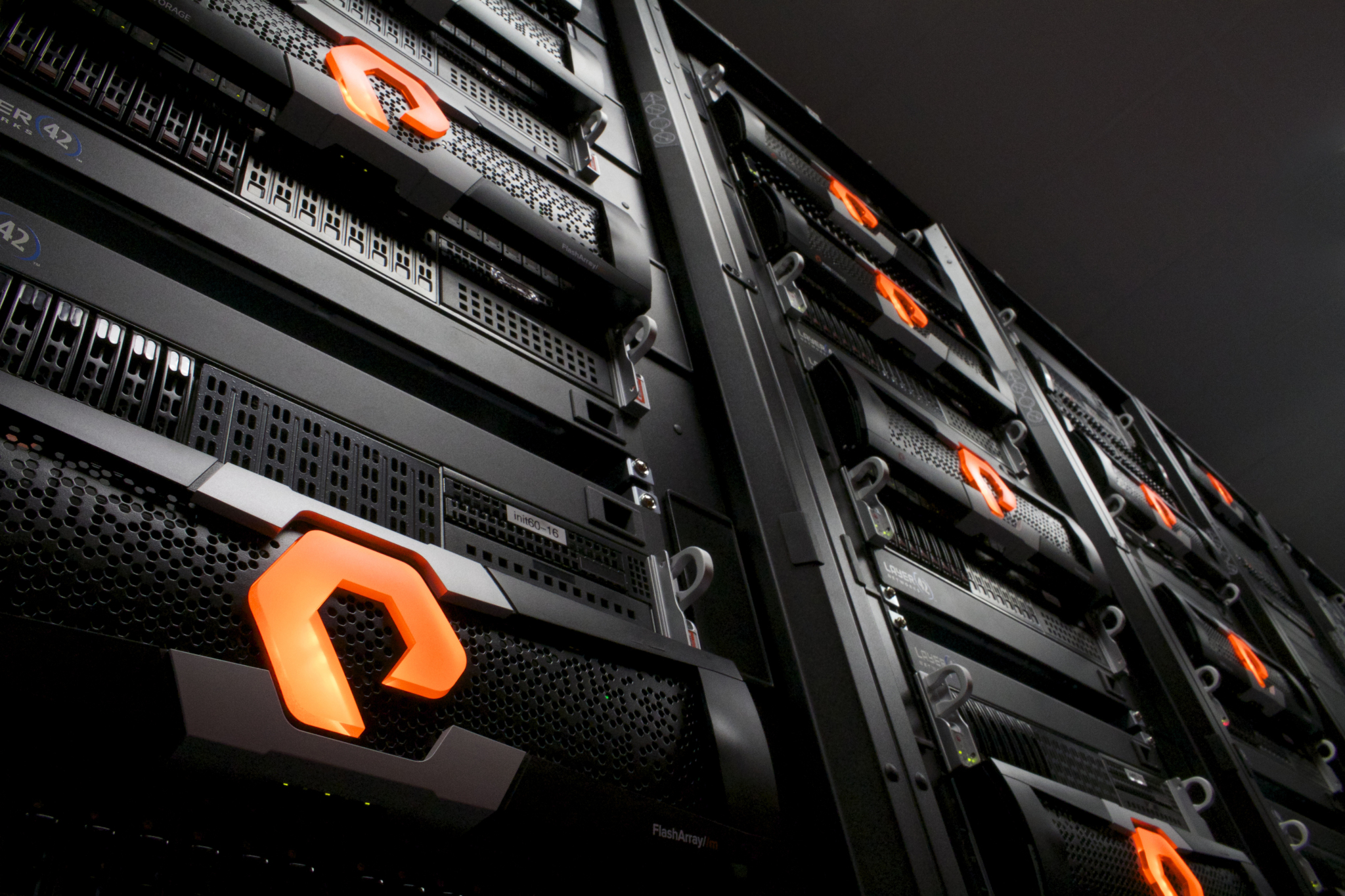
Data growth is forcing enterprises to rethink how storage is managed across environments. Traditional approaches rely heavily on expensive high performance storage even for inactive data. This creates inefficiencies that directly impact budgets and scalability. Pure storage tiering introduces a more intelligent approach by aligning data placement with actual usage patterns.
According to Gartner over 65 percent of enterprise data is rarely accessed after the first 90 days. Yet much of this data continues to sit on premium storage systems. This imbalance leads to unnecessary costs and underutilized resources. Pure Storage tiering addresses this issue by enabling dynamic data movement across storage tiers without compromising performance.
How Pure Storage Tiering Redefines Storage Efficiency
Unlike legacy tiering models that rely on manual intervention pure storage tiering uses automation and analytics to continuously optimize data placement. It ensures that active data remains on high performance flash storage while inactive data is moved to more cost effective tiers such as object storage or cloud environments.
This approach is built on real time insights into data access patterns. The system identifies usage trends and automatically adjusts data placement based on predefined policies. The result is a balanced storage environment that maximizes both performance and cost efficiency.
Key operational advantages include:
-
Continuous optimization of data placement
-
Reduced dependency on manual storage management
-
Seamless integration with hybrid and multi cloud environments
-
Consistent application performance across tiers
For IT leaders this translates into a more predictable and scalable storage strategy.
The Strategic Role of Pure Storage Tiering in Modern IT
pure storage tiering is not just a cost saving mechanism. It plays a critical role in enabling broader digital transformation initiatives. As organizations adopt cloud first strategies and data driven decision making tiering becomes essential for managing data at scale.
IDC highlights that enterprises using intelligent tiering solutions can reduce storage costs by up to 50 percent while improving data accessibility. This dual benefit makes tiering a key component of modern data infrastructure.
Another strategic advantage is improved agility. Organizations can respond quickly to changing data demands without over provisioning storage resources. This flexibility is particularly valuable in dynamic industries such as finance healthcare and technology.
Core Capabilities That Define Pure Storage Tiering
Pure Storage tiering solutions are designed with a focus on simplicity automation and performance. These capabilities ensure that organizations can manage data efficiently without adding complexity.
Automated tiering is a foundational feature. Policies are defined based on data usage patterns enabling automatic movement of data between tiers. This eliminates the need for manual intervention and reduces operational overhead.
Real time analytics provide visibility into data usage. IT teams can understand which data is active which is inactive and how storage resources are being utilized. This insight is critical for optimizing storage strategies.
Integration with cloud storage platforms allows organizations to extend their storage infrastructure seamlessly. Data can be moved between on premises systems and cloud environments without disruption.
Security and compliance are built into the platform. Data remains protected through encryption access controls and audit capabilities ensuring regulatory requirements are met.
Business Impact of Pure Storage Tiering
Adopting pure storage tiering delivers measurable business outcomes that extend beyond storage optimization. These benefits support both operational efficiency and strategic growth.
Cost optimization is one of the most immediate impacts. By moving inactive data to lower cost storage organizations can significantly reduce their storage expenses. Forrester estimates that intelligent tiering can lower total storage costs by up to 40 percent.
Performance is maintained for critical workloads. Active data remains on high speed storage ensuring that applications operate without latency issues.
Operational efficiency improves through automation. IT teams spend less time managing storage and more time focusing on innovation and strategic initiatives.
Scalability becomes easier to achieve. Organizations can expand their storage capacity without significant capital investment by leveraging cloud based tiers.
A Different Way to Think About Data Lifecycle Management
Traditional storage models treat all data equally. pure storage tiering introduces a lifecycle based approach where data is managed according to its value and usage over time.
This shift enables organizations to:
-
Classify data based on activity and importance
-
Automate movement across storage tiers
-
Reduce storage waste and redundancy
-
Improve data governance and compliance
McKinsey notes that organizations that adopt lifecycle driven data strategies can improve efficiency by up to 30 percent. This highlights the importance of aligning storage practices with business objectives.
What Sets Pure Storage Tiering Apart
Pure Storage tiering stands out due to its simplicity and performance centric design. Unlike traditional systems it does not require complex configurations or frequent manual adjustments.
Key differentiators include:
-
Non disruptive data movement across tiers
-
High performance flash integration for active data
-
Seamless hybrid and multi cloud connectivity
-
Intelligent automation driven by analytics
These features enable organizations to implement tiering quickly and realize value without significant operational changes.
Where Pure Storage Tiering Delivers the Most Value
The impact of pure storage tiering is most evident in environments with large volumes of unstructured data. Different industries benefit in unique ways based on their data requirements.
In healthcare tiering helps manage imaging data and patient records efficiently while maintaining compliance. In financial services it supports secure storage of transaction data and historical records. Media companies use tiering to manage large video files while controlling costs. Technology firms rely on tiering to support rapid innovation and data driven applications.
Across all these industries the common outcome is improved efficiency and reduced storage costs.
Quick Insight: What Does Pure Storage Tiering Do
Pure Storage tiering helps organizations:
-
Move inactive data to lower cost storage
-
Keep active data on high performance systems
-
Automate data placement based on usage
-
Improve storage efficiency and reduce costs
This makes it a critical component of modern storage strategies.
Top questions
· What is pure storage tiering?
It is a storage optimization approach that automatically moves inactive data to lower cost storage while keeping active data on high performance systems.
· How does pure storage tiering improve cost efficiency?
By storing cold data on cheaper storage tiers organizations reduce reliance on expensive primary storage.
· Is pure storage tiering suitable for cloud environments?
Yes it integrates seamlessly with hybrid and multi cloud environments enabling flexible storage strategies.
· Does pure storage tiering affect performance?
No active data remains on high performance storage ensuring consistent application performance.
· How quickly can organizations see results from pure storage tiering?
Most organizations experience cost savings and efficiency improvements within a few months of implementation.
Aligning Storage Strategy with Business Value
As enterprise data continues to grow adopting pure storage tiering is essential for maintaining efficiency and scalability. It provides a balanced approach that ensures performance for critical workloads while optimizing storage costs.
By leveraging automation analytics and cloud integration organizations can transform their storage infrastructure into a strategic asset. For IT leaders and decision makers pure storage tiering offers a clear path to smarter data management and sustainable growth.
